
Castle Hill Rainwater Head Maintenance Guide — Large Homes & Leaf Load
Rainheads > Commercial Vents > Dambuster Rainheads >
Buy Roof Ventilation and Roof Plumbing Supplies Online Now >
RAINWATER HEAD MAINTENANCE FOR CASTLE HILL HOMES
Castle Hill is known for its large homes, mature street trees, complex roof structures and powerful hillside winds. These create challenging conditions for rainwater heads, especially during the storm-heavy months.
Homes in Heritage Park, Castlewood, Knightsbridge and the central Village area often have big roof planes feeding into single points of drainage. When rainwater heads aren’t maintained, even a short burst of heavy rain can cause gutter overflow and water intrusion.
WHY CASTLE HILL REQUIRES OVERSIZED RAINWATER HEADS
- Large roof areas typical of modern Hills District homes
- Heavy leaf load from gums, plane trees and jacarandas
- High wind events that redeposit debris into gutters
- Complex multi-level roofs that funnel large volumes into one rainhead
KEY MAINTENANCE STEPS IN CASTLE HILL
1. CLEAR LEAF LOAD AFTER EVERY WIND EVENT
Debris from Castle Hill’s dense vegetation clumps together, forming mats that block the mouth of rainheads.
2. INSPECT COLLECTION POINTS ON MULTI-LEVEL ROOFS
Large homes often have multiple feeds into one rainhead. Ensure all downpipes and sumps are clear.
3. UPGRADE TO HIGH-CAPACITY RAINHEADS IF REQUIRED
For homes around Gilbert Rd, Tuckwell Rd and Showground Rd, oversized capacity is often necessary.
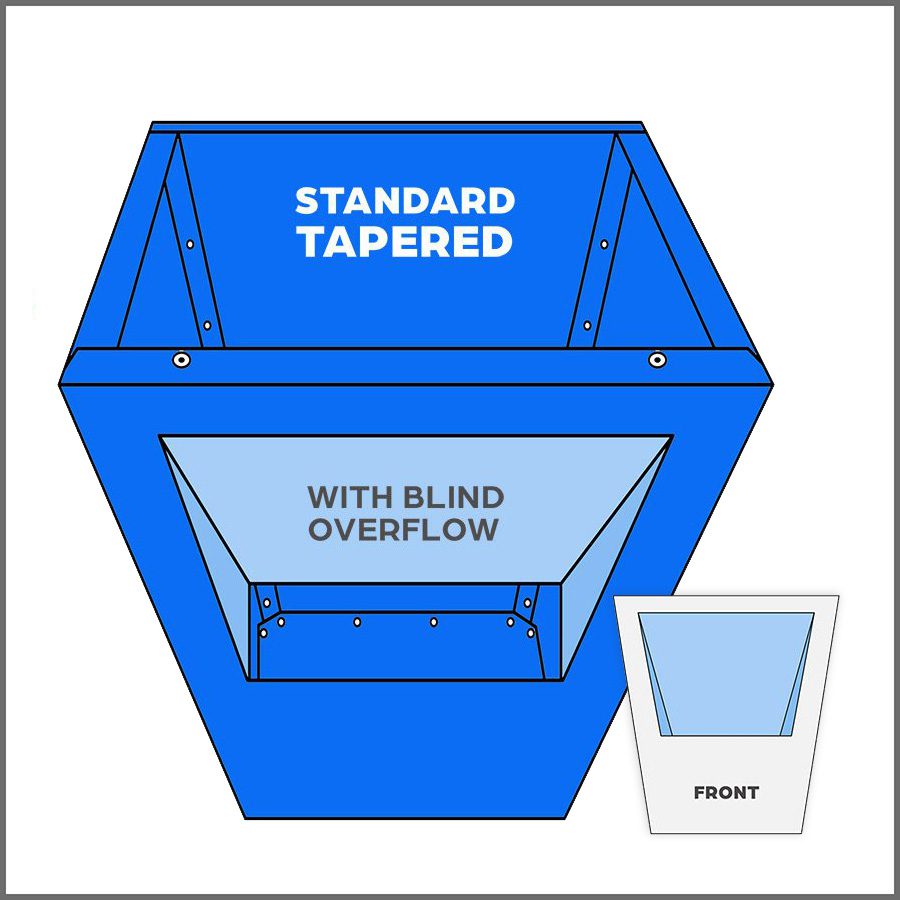
4. CHECK OVERFLOW PATHWAYS
Essential to prevent indoor leaks and fascia damage during Hills District downpours.
CASTLE HILL FAQ
How often should I maintain my rainwater heads?
Every 2 months, more frequently in autumn.
Do larger homes need bigger rainheads?
Yes — Castle Hill homes often exceed standard roof catchment limits.